
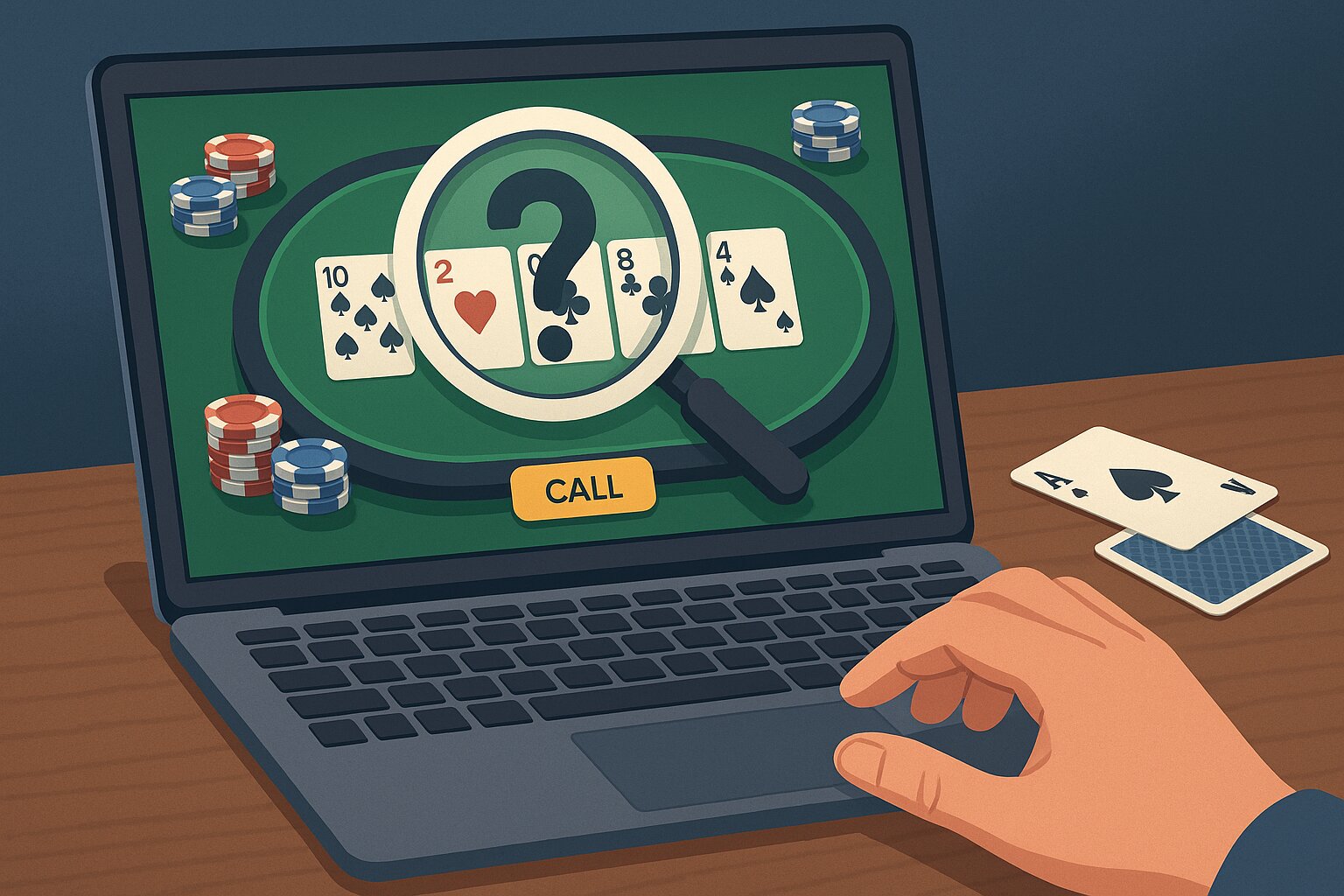
We’re committed to giving you a fair and transparent online poker experience every time you play. Our games are built on strict standards and regulations set by the UK Gambling Commission to protect every player.
It’s natural to question whether online poker is fair, especially when you experience a string of unfavourable outcomes. In this post we explain how outcomes are determined, what safeguards are in place, and how regulation and independent checks work together to protect players. If you want clarity about what happens behind the scenes, read on — the technical and regulatory picture is more reassuring than many assume.
How Do Online Poker Sites Ensure Fairness?
Providing a safe and fair playing environment depends on technology, monitoring and clear rules. Operators must use systems and processes that prove hands are dealt randomly, that accounts are genuine, and that any suspicious patterns are identified quickly.
Random Number Generators are central to shuffling and dealing. These systems produce unpredictable sequences used to create shuffled decks, and they’re tested by independent, accredited labs to confirm they meet statistical standards. The testing looks for bias or patterns that could affect fairness.
Anti-collusion and fraud detection tools track behaviour across tables and accounts. They look for unlikely patterns such as coordinated betting or identical timing patterns that suggest collusion. When the software flags an issue, a security team reviews the session and takes appropriate action, from reversing hands to account suspension where necessary.
Ongoing audits and operational reviews provide another layer of assurance. Together, these technical controls and human checks form a framework that aims to keep play fair, transparent and accountable.
Do Random Number Generators Guarantee Randomness?
Random Number Generators are designed to produce sequences that cannot be predicted and that match expected statistical distributions over time. Independent testing examines very large samples to make sure card distributions are consistent with a properly shuffled deck.
Testing covers not only the raw output but also how the RNG is integrated into the dealing software, how state is stored and whether any external inputs could influence outcomes. Certification bodies issue reports that operators must make available to regulators and, in many cases, to the public.
No system promises absolute perfection, because statistical variance means short-term clusters and streaks will occur. What certification ensures is that those clusters match what you would expect from a properly functioning, unbiased system rather than being caused by manipulation or a flaw.
Can Online Poker Sites Manipulate Game Outcomes?
Regulated operators are prohibited from altering outcomes to favour the house or specific players. Controls exist at multiple levels to make manipulation both technically difficult and legally risky.
Technical safeguards include separation of duties, where the teams that maintain RNGs and dealing software are different from those operating marketing or payments. Logs and cryptographic records make it possible to trace how hands were generated and who accessed systems. Regulatory oversight requires operators to retain these records and make them available during audits or investigations.
Allegations of manipulation often come from misinterpreting normal statistical behaviour as intentional interference. When concerns are raised, independent auditors and regulatory investigators use the preserved logs and test data to examine whether the system behaved as expected.
Myths About Online Poker Being Rigged
A common myth is that sites can tweak outcomes to benefit the house. For regulated operators, that is not permitted and would be detected by audits, monitoring and the separation of critical systems. Another frequent claim is that a run of unfavourable outcomes proves wrongdoing. Short-term variance can create the illusion of pattern where none exists; auditors look across very large datasets to distinguish genuine issues from normal statistical fluctuation.
Suspicions of collusion are also often raised by players. Anti-collusion systems and manual reviews focus on behavioural patterns such as repeated unusual folds, identical bet sizing across accounts, or tickets moved between accounts in a way that systematically benefits one player. Where evidence exists, operators take decisive action.
If you encounter something that looks off, it’s worth reporting it so the pattern can be examined. Many issues turn out to be explainable, but the reporting process ensures nothing is left uninvestigated.
Independent Audits & Regulatory Oversight Explained
Independent audits examine how the RNGs and dealing software perform, review security practices and check that internal controls are effective. Auditors are accredited testing houses who apply statistical tests and code inspections to form their conclusions.
Regulators require operators to maintain records and to demonstrate compliance with technical and operational standards. Where an audit uncovers a deficiency, operators must remediate it promptly and report back. This reporting and the threat of licensing sanctions create a strong incentive to maintain integrity.
Transparency is part of the system: audit certificates and technical summaries are often published or available on request, and regulators publish guidance about the standards operators must meet. That combination of external testing and regulatory enforcement makes the environment much harder to abuse than an unregulated setting.
If you’re curious about how a particular operator manages testing and oversight, the operator’s fairness pages and published certificates are a good place to look.
Player Experiences: What Do Real Players Say?
Player reports vary, as they do in any competitive game. Many regulars comment on the fairness mechanisms and customer protections available on regulated sites, and that visible audit certificates and accessible support teams contribute to confidence.
Others express frustration after losing runs, as any competitive player will. Those frustrations are often felt more keenly online because hands occur more quickly and players can see long sequences in a short period. This visibility can exaggerate feelings about how often unusual sequences happen.
Community discussions are useful for learning about software behaviour, tournament structures and player etiquette, but they can also amplify anecdote. When concerns become widespread, they often trigger formal reviews; conversely, isolated complaints frequently reflect normal variance or individual misunderstanding about rules and hand histories.
Support and safeguards are available for anyone who needs them, and reputable operators make it straightforward to access hand histories, rules and dispute procedures so players can make informed decisions about their play.
How to Spot a Trustworthy Online Poker Site
There are clear signs that an operator takes fairness and safety seriously. Look for licensing information and published compliance materials that explain how games are tested. Operators who publish audit certificates and technical summaries make it easier to verify claims about randomness and testing.
Payment options should be secure and well known. Transparent terms and conditions that are easy to find and read indicate an operator willing to be accountable about rules, payouts and dispute resolution.
Customer support responsiveness is another practical indicator. When support can provide clear hand histories or explain how a disputed sequence was handled, it reflects maturity in operations. Finally, visible descriptions of monitoring systems and anti-fraud measures show the operator is actively protecting games rather than relying on policy alone.
What to Do If You Suspect Unfair Play?
If something seems amiss, start by gathering the relevant information such as hand IDs and timestamps. Contact customer support calmly and provide the details so the support team can locate the records and examine the sequence in question.
If the initial response is unsatisfactory, operators normally have formal complaint procedures and escalation paths that involve a more detailed review. Independent dispute-resolution services are available if an operator’s internal process does not resolve the matter, and regulators can be approached for further investigation.
It helps to keep communication factual and concise; clear evidence speeds up technical reviews. And if feelings about play are becoming a problem, the available player-control tools let you pause or restrict activity while the issue is examined.
Support organisations such as GamCare provide independent advice and help for people who want guidance on staying in control of their play.
Conclusion: Should You Trust Online Poker?
Playing on regulated sites gives a high level of protection because games and systems are subject to independent testing, ongoing monitoring and regulatory oversight. Those layers make intentional manipulation both difficult and detectable.
Our commitment is to run games honestly, maintain clear records and respond promptly to concerns. If you want to check a site’s credentials, look for licence information, audit certificates and accessible support. If you ever have questions about a hand or the way a system works, contact us — we’ll explain the process and provide the records that show how outcomes were produced.
Choose carefully, be informed about rules and protections, and if you need assistance, reach out — we’re here to help you play with confidence and in a responsible way.
**The information provided in this blog is intended for educational purposes and should not be construed as betting advice or a guarantee of success. Always gamble responsibly.