
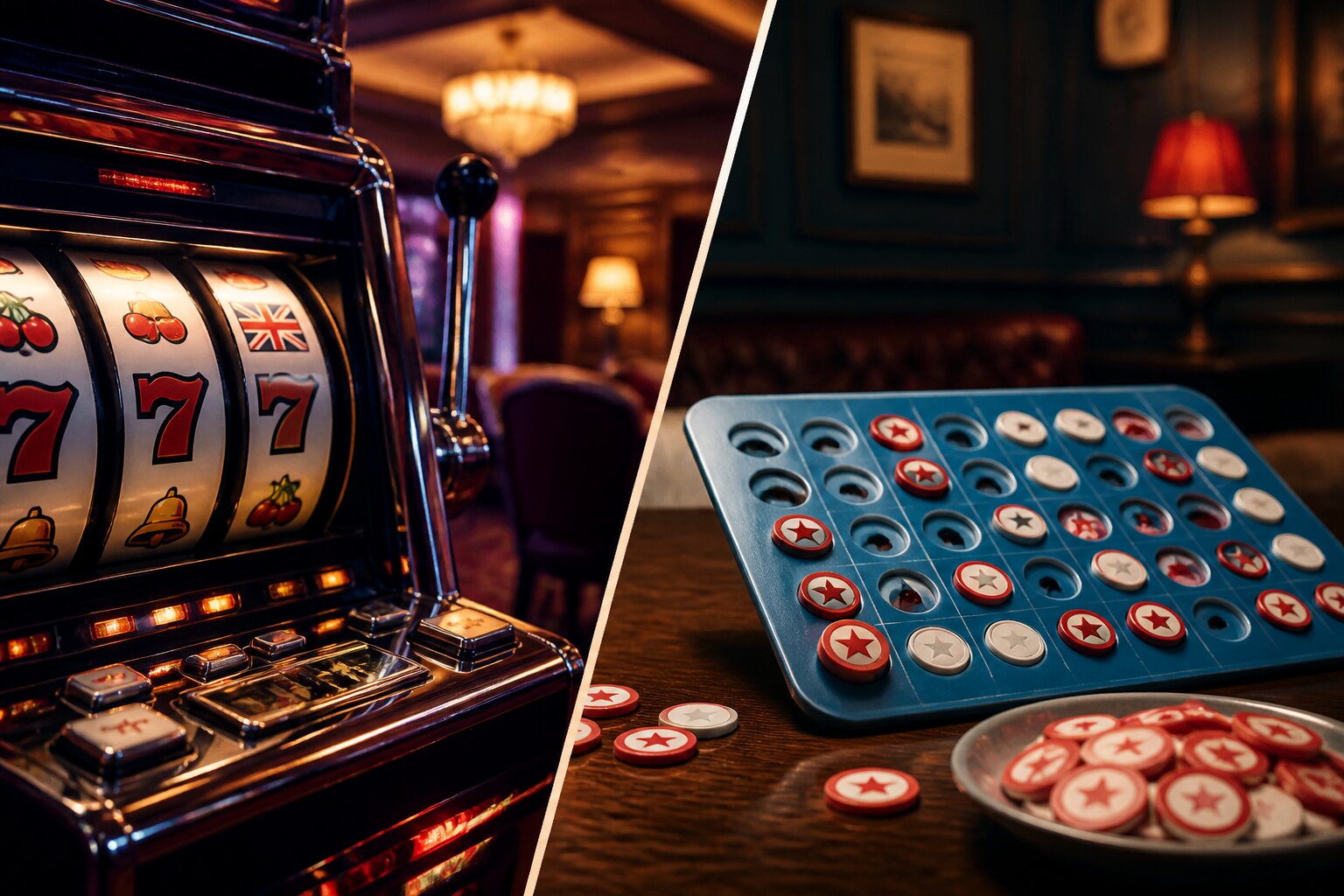
Ever wondered whether traditional slots or the fast-growing favourite, Slingo, is the better choice for you? Both games offer exciting ways to play and the chance to enjoy quick bursts of entertainment, but they differ a lot in how they keep you engaged.
Are you drawn to spinning reels and classic symbols, or do you prefer mixing things up with bingo-inspired action and extra features? Your playing style could make all the difference in which game you’ll enjoy most.
Read on to discover what sets slots and Slingo apart and to find the game that fits your next session.
Understanding the Basics: What Are Slots and Slingo?
Slots are one of the most common games in online casinos. You spin reels filled with symbols and try to land specific combinations across paylines. Modern slots vary hugely: some stick to a simple setup, while others layer in features such as free spins, expanding wilds, and bonus rounds tied to a theme or story.
Slingo blends elements of slots and bingo. The action takes place on a grid similar to a bingo card, and instead of drawn balls you spin reels to reveal numbers and symbols. The objective is to mark off numbers on the grid and complete lines vertically, horizontally or diagonally. Slingo titles often add jokers, free spins and mini-games that change how you approach each round.
Both game types use Random Number Generators (RNGs) to determine outcomes, so each spin or draw is independent and unpredictable. Next, we’ll look under the hood of slots to explain how those reels and paylines actually work.
How Do Slots Work?
Slot games are built around a set of reels that spin and then stop to create symbol combinations. Paylines are the patterns across the reels that determine winning combinations; older machines might use a single horizontal payline, while many online slots offer dozens or hundreds of ways to win by allowing matches across multiple lines or adjacent reels.
Behind the scenes, an RNG decides where the reels stop, so every spin is independent of the last. The game’s paytable shows how much each symbol combination pays and how bonus features operate. Volatility is another key concept: low-volatility slots tend to deliver smaller, more frequent wins, while high-volatility titles pay less often but offer the chance of larger rewards.
You don’t need special skill to play slots beyond choosing a stake and pressing spin. That simplicity is what draws many players, and it pairs well with visually engaging themes and bonus mechanics that add variety to each session.
How Is Slingo Different From Slots?
Slingo’s defining difference is its grid-based gameplay. Instead of matching symbols across paylines, you aim to mark off numbers on a grid by spinning reels. Special symbols—such as jokers and blocks—alter how you fill that grid, and some games give you choices about where to place wilds or when to use certain features, introducing a mild strategic element.
Another structural difference is the fixed-length session common to Slingo: a set number of spins makes each game feel like a self-contained round, similar to a bingo session. Slingo also typically rewards completing lines according to a prize ladder, with extra features that can boost payouts or add immediate rewards.
With these mechanics in mind, the next section explores how design and features shape the appeal of each game.
What Makes Each Game Appealing?
Both slots and Slingo have distinct strengths when it comes to design, themes and features, and those differences are what attract different players.
Game Design & Visuals
Slots often focus on strong, themed visuals and animations. A slot might be relatively simple in layout, or it could be cinematic, with animated characters, layered backgrounds and audio that responds to big wins or bonus rounds. These visual and audio cues help make each spin feel meaningful.
Slingo centres the action on the grid, with a cleaner presentation that makes the board easy to read while reels or symbols animate around it. This clarity helps players track progress across the round and spot opportunities when special symbols appear.
Themes & Features
Themes range widely across both formats. Slots frequently draw on genres like adventure, history or popular culture and pair those themes with tailored mechanics—bonus games, cascading reels, or progressive jackpots. Slingo titles reinterpret themes to suit a bingo-style board, and features typically emphasise jokers, extra spins or multipliers that change how quickly you climb the prize ladder.
Both game types use features to create memorable moments: for slots, that might be a multi-stage bonus round; for Slingo, a well-timed joker or a consequential free spin. These design choices affect pacing and the feeling of progress, which we’ll consider next when looking at how different players experience each game.
Player Experience: Which Suits Different Playing Styles?
The experience each game offers tends to match different player preferences. Slots suit people who want short, immediate rounds with minimal interaction. Each spin is independent, so players can pick a session length that fits their time and attention. The variety of themes and bonus mechanics also means players can choose slots that match mood or interest.
Slingo appeals to players who like a sense of progression within a single round. The grid and limited spins create a structured challenge, and small decisions—where to use a joker, for example—add involvement without complexity. Slingo can also include social elements like leaderboards or community events that give a communal feel while keeping the core play single-player.
If you prefer straightforward action pick slots; if you enjoy a framed round with light choices and a measurable goal, Slingo may be more satisfying. The next section looks at how payouts and prize structures compare between the two.
Winning Potential: How Do Payouts Compare?
Payouts depend on the specific game and its rules. Slots use paytables tied to symbol combinations and feature outcomes; some have frequent small wins, others offer infrequent but larger jackpots. RTP (return to player) percentages and volatility ratings are useful indicators of what to expect over time: a higher RTP suggests a larger share of stakes returned to players in the long term, and volatility affects win frequency and size.
Slingo rewards depend on how many lines you complete on the grid and where you land on the game’s prize ladder. Some Slingo games offer guaranteed small payouts for partial progress and larger sums for completing multiple lines. As with slots, an RNG determines every spin, so outcomes are independent and can’t be forecast.
Understanding RTP and volatility for a chosen title helps set realistic expectations about potential returns and the likely pattern of wins and losses. With that in mind, consider how easy each game is to learn and play.
Ease of Play: Which Is More Beginner-Friendly?
Both game types are approachable, but in slightly different ways. Slots have very simple core controls—set your stake and spin—so they’re quick to pick up. Many titles include on-screen guides and free spins options to streamline play, which helps beginners focus on the entertainment rather than the mechanics.
Slingo requires a little more interaction since you mark numbers and sometimes choose where to place special symbols. The mechanics remain straightforward, and most Slingo games explain symbol functions clearly. That extra layer can be appealing to players who want to feel involved without tackling complex rules.
Whether you favour instant simplicity or a touch more engagement, both formats are built to be accessible. Ahead, we’ll address some common misunderstandings so you can play with clearer expectations.
Myths and Misconceptions About Slots and Slingo
There are several persistent myths about these games that can mislead players. One is the idea that past results influence future outcomes; because both formats use RNGs, every round is independent and cannot be predicted. Another is the belief that altering betting patterns will change underlying odds—bet adjustments only change stake size and prize scale, not the probability of particular outcomes.
Other misconceptions suggest machines can be “due” to pay; there’s no mechanism that creates such a state. Treating either game as a source of guaranteed returns or as something that can be controlled is a misunderstanding of how they are designed. Clear expectations about randomness and payout structures help players make informed choices about which games suit them best.
Key Factors to Consider When Choosing Between Slots and Slingo
When picking between slots and Slingo, practical considerations matter. Budget is foremost: both allow flexible staking, but it helps to set a limit and choose games whose bet ranges match that limit. Think about session length and engagement—if you want short bursts, many slots fit that bill; if you prefer a single-round experience with visible progress, Slingo fits better.
Other factors include the type of features you enjoy—slots may offer deep bonus rounds and varied mechanics, while Slingo offers grid-based milestones and jokers that reward tactical thinking. Finally, check the RTP and volatility for individual titles to align expectations with play style and bankroll.
Keep these points in mind when choosing a game, and you’ll be more likely to pick the option that matches how you like to play.
Conclusion: Deciding Which Game Fits You Best
Choosing between slots and Slingo comes down to personal taste. Slots deliver instant, often visually driven spins with a wide range of themes and bonus mechanics, while Slingo provides a board-focused round with light decision-making and clear progress markers. Consider how much interaction you want, how long you plan to play, and which features you find most engaging.
Above all, protect your own wellbeing: set limits before you play, stick to those limits, and step away if the experience stops being enjoyable. Enjoy the game that suits you best, and make decisions that keep play fun and sustainable.
**The information provided in this blog is intended for educational purposes and should not be construed as betting advice or a guarantee of success. Always gamble responsibly.