
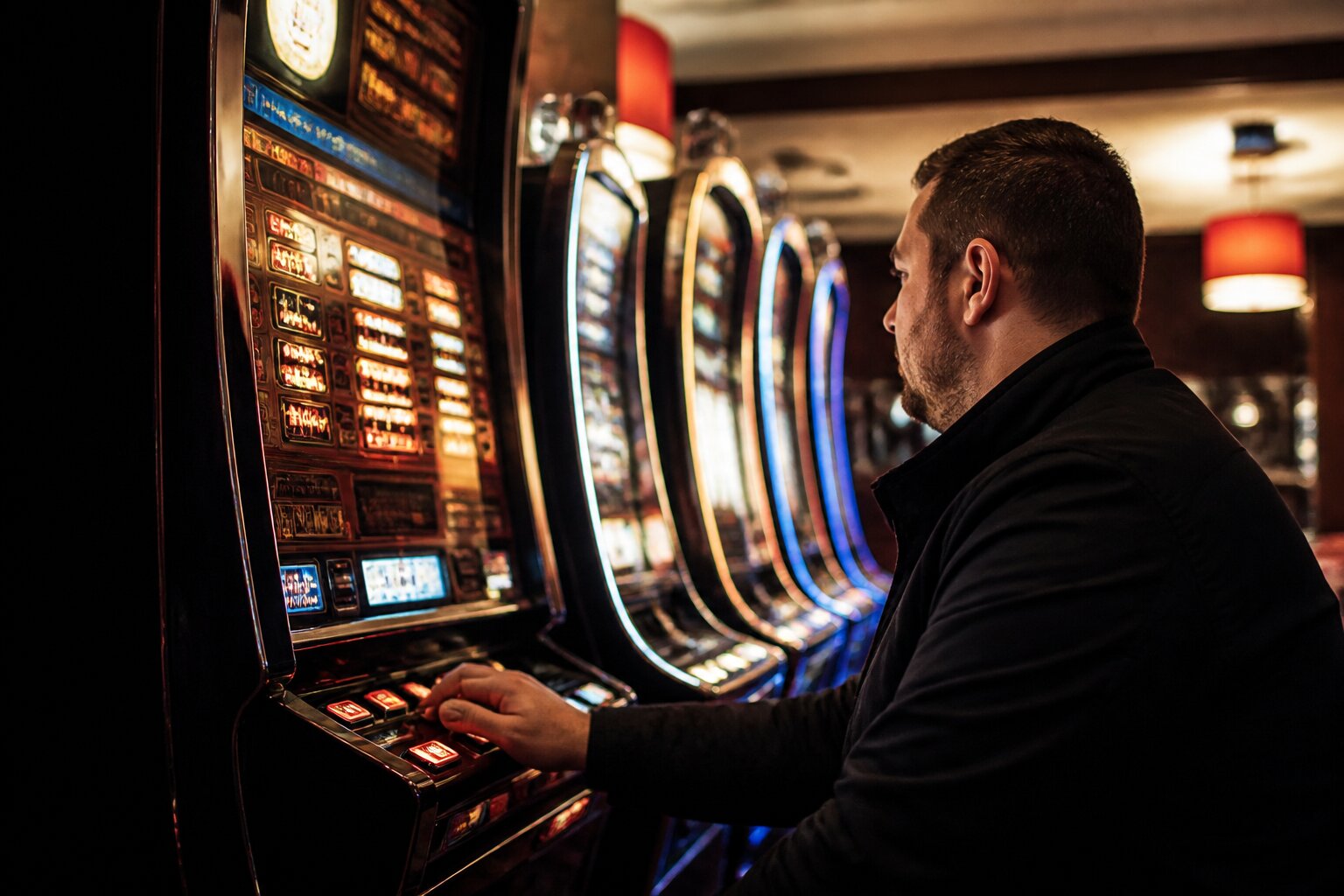
Ever heard someone call a fruit machine a “puggy” and wondered why? You’re not alone. This nickname turns up in pubs and arcades across parts of the UK, and its story weaves together language, local life and a touch of history.
If you’ve ever spun the reels or simply want to know why these machines picked up such an odd name, read on. The explanation reveals more about regional speech and social habits than you might expect.
The Etymology of "Puggie": Tracing the Word’s Roots
The word “puggie” is most commonly heard in Scotland and parts of Northern England and first appears in everyday speech during the mid-20th century. It’s generally accepted to have roots in Scots dialect, where “puggy” or “puggie” was a familiar word for a monkey or small, mischievous creature. That playful sense of the original term seems to have suited the noisy, attention-grabbing machines that became fixtures in local social spaces.
Historical references link the word to amusement machines from the 1960s onwards, when these devices became more widespread in pubs and clubs. The nickname spread as a piece of local shorthand and stuck in communities where the machines were common features of social life.
Although the precise path from a word for a monkey to a name for a machine is not fully documented, the pattern is clear: a regional term was reapplied to an object that matched its character—lively, unpredictable and part of everyday conversation. This linguistic shift is a neat example of how local speech adapts familiar words to new contexts. Expect to see how that local feel shows up again when we look at regional naming next.
What Are Fruit Machines Known As in Different UK Regions?
Names for these machines change across the country, reflecting local habits and the machines’ visible features. In much of England the phrase “fruit symbols” is still common, recalling the fruit symbols once used on many reels. In the North, particularly around major urban centres, people often say “bandit” or “one-armed bandit,” a name that refers to the traditional lever on earlier machines.
Scotland has its own preferred term: “puggie.” That word carries connotations tied to dialect and local custom. In Wales, “fruit machine” and “slot machine” are both used, with the latter more likely in seaside arcades and tourist areas where outside terminology has greater influence.
Across the UK, the rise of online play and international media has made “slot machine” more widely understood, but regional words still reveal how communities kept the machines as part of shared social spaces. That local connection is also at the heart of the next section, which explores cultural influences in more detail.
Cultural Influences Behind the Term "Puggie"
Language is shaped by how people live and gather, and the story of “puggie” reflects that. In Scotland the nickname became embedded in everyday speech because slot machines were part of pub culture and club life. Regular encounters with the machines meant a local label could take hold and become a marker of identity.
The term’s use suggests machines were often seen as communal amusements, woven into routines of meeting friends and spending time at local venues. That social role strengthened the word’s place in conversation and local lore.
Public perceptions vary—some view these devices as straightforward entertainment found in familiar settings, while others focus on ensuring players stay in control. The cultural backdrop explains how a simple regional word can carry memory and meaning beyond the machine itself. With that social picture in mind, the next section looks at how the wider language around these machines has shifted over time.
How Language Around Fruit Machines Has Evolved
Terminology has changed alongside the machines and the places they sit. Mid-century names such as “puggie,” “bandit,” and “fruit machine” reflected local speech and the tangible aspects of the machines. As technology and distribution moved online, terms like “slot machine” and “slots” became more common, influenced by international usage and digital platforms.
At the same time, public discourse about these games has become more measured and information-focused. Descriptions now tend to centre on player protection and clear, neutral language rather than implying outcomes or chance. Regulatory developments and industry guidance have encouraged this shift, making communication more consistent across venues and platforms.
As names have modernised, some older terms have declined in everyday use, though they survive in regional speech and memories. The next section examines a few popular myths around “puggie” and separates those from what the evidence supports.
Common Myths About the Word "Puggie"
Several misconceptions surround “puggie.” One is that it is a recent slang fad; in fact, it appears in regional vocabulary from the mid-20th century. Another is that the word originally referred specifically to gambling machines—its earlier use for a monkey predates that application.
Some people assume the term carries stigma or implies problematic behaviour; however, “puggie” is primarily a regional label with cultural resonance rather than an evaluative judgement. Finally, while the word might seem widespread, its use is concentrated in Scotland and parts of Northern England rather than across the whole UK.
Clearing up these points helps anchor “puggie” in its linguistic and social context rather than in mistaken ideas. The following section looks at how common the term remains today and what that tells us about regional speech.
Is "Puggie" Still Commonly Used Today?
Use of “puggie” has declined in some circles but persists in others. It remains familiar among older generations and in communities where the machines are part of long-standing local routines. Elsewhere, more general terms such as “fruit machine” or “slot machine” have replaced it, particularly where online gaming and wider media influence language choices.
The varying frequency of the word illustrates how regional vocabulary evolves: some expressions fade as industries and social habits change, while others endure as markers of a place or generation. That pattern reflects the broader story of how communities keep some words and let others go, which brings us to a final reflection on the term’s place in UK culture.
Conclusion: The Enduring Legacy of "Puggie" in UK Gambling Culture
“Puggie” is a small but revealing piece of regional language history. Its journey from Scots dialect into everyday speech for fruit machines shows how local culture repurposes words to fit new forms of leisure. Although less common now, the term still links people to shared memories of pubs and clubs where those machines once featured prominently.
Language around these machines continues to modernise alongside industry changes and public expectations, while local terms like “puggie” remind us that regional identity shapes how entertainment is talked about. Ensuring clear, informative language and supporting measures that help people stay in control remains central to how these activities are presented today.
If you’re curious to hear this word in context, listening to conversations in the places where the term originated offers the clearest insight into how it first took root and why it still matters to some communities.
**The information provided in this blog is intended for educational purposes and should not be construed as betting advice or a guarantee of success. Always gamble responsibly.